

Last week I was part of a team that looked at all parts of our Grains Research and Development Corporation winter crop planter workshops, with the Warra day being delayed due to March flooding.
So, what did I learn?
For one, never assume your good quality seed storage areas or silos are going to provide you with good germ and vigour seed in four to five months’ time.
Summer heat in silos can raise the temperature inside so high as to kill the germ and vigour of your future wheat, barley or chickpea crops’ planting seed. That’s a fairly basic issue, but surprisingly not everyone seems to check their seed quality before planting.
The next aspect I picked up on was seed weight.
Matt Gardener of AMPS Research in northern New South Wales was a bit staggered by the responses from the audience regarding this supposedly not so important job before planting.
His examples on the big differences in seeds per kilogram of winter cereal seed took us all by surprise.
Using just your eyes alone, the differences in some crops’ seeds were nearly impossible to judge.
Seed count can have a major bearing on key factors like header screening increases, crop lodging (too many plants per square metre), lower yields and poor weed competition (not enough plants per square metre).
What about the evenness of strike?
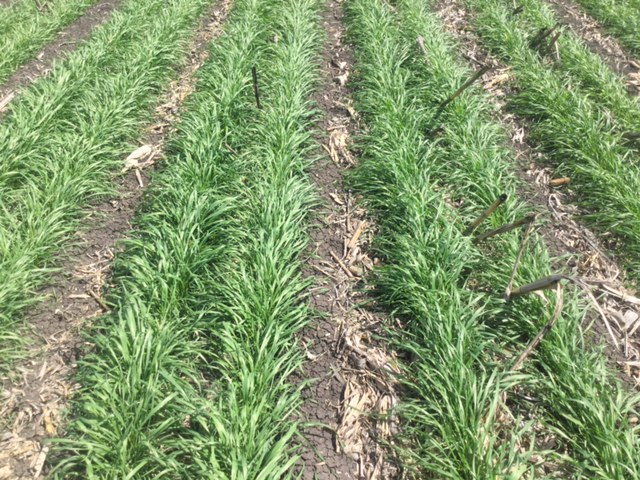
Many of our crops need to emerge from the ground very evenly – or otherwise, further along in the growing time, it can get tricky to deal with different stages of the same crop in one paddock. That can impact your yields.
There’s plenty to think about here. Given it’s all ostensibly fairly basic stuff, why don’t we get complacent and use our historical settings on the planter, no matter what tests we have or haven’t done on our planting seed?
Well, everyone agreed that after planting precision crops like grain sorghum or maize, we are always behind the planter scratching around in the seed furrow like chooks to make sure our plant population per square metre and even distribution along the seed trench are all perfect.
Thanks to Matt and Sarah of AMPS Research in New South Wales for making us more aware of the little things that we are not doing which can nevertheless impact our future crop productivity and profitability.