In my Minister’s Column this year we have been exploring the contrast between thriving and merely surviving by exploring the differences between pot plants and trees.
We have seen how being planted out of the restrictions of the pot and having the attitude that we were created by God to be something great is essential to living a life that is vital and healthy.
What then are the restrictions of the pot and how do we recognise if we are potted instead of planted?
Of course, there are many things that possibly restrict us (our pot) from being all we can be and thriving in the way Jesus intended us to.
The first and most obvious is our connection to where we are.
A potted plant is not connected to its environment and instead it has a barrier between itself and its environment.
A pot plant uses the resources it gets from its environment like sunlight and any water and nutrients it is provided but there is no visible or practical connection or giving back.
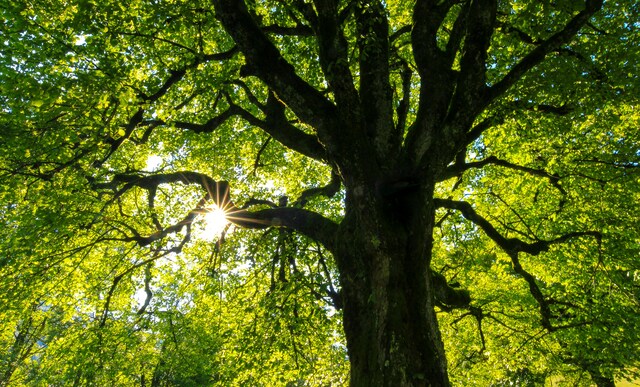
The tree that is planted, however, is strongly invested in its spot. For the tree, it is an all or nothing deal.
The tree proudly takes its place in the forest and becomes a valuable member of the ecosystem.
The ecosystem supports the tree and the tree supports the ecosystem.
For the tree this pays off big time.
Unlike the pot plant which quickly wilts and usually dies when things get tough, the tree has resources to fall back on in the dry times, ensuring it will live to fight another day.
By embracing community, the tree ensures its survival and legacy. For us to thrive we must do the same.
A church community is a great place to plant yourself and contribute.
If the only connection we can confidently point to between us and our local church or community is our presence, then the chances are that we are merely potted not planted.
Unfortunately, it is only the planted who are promised the legacy of fruitfulness and security for which they were designed.